
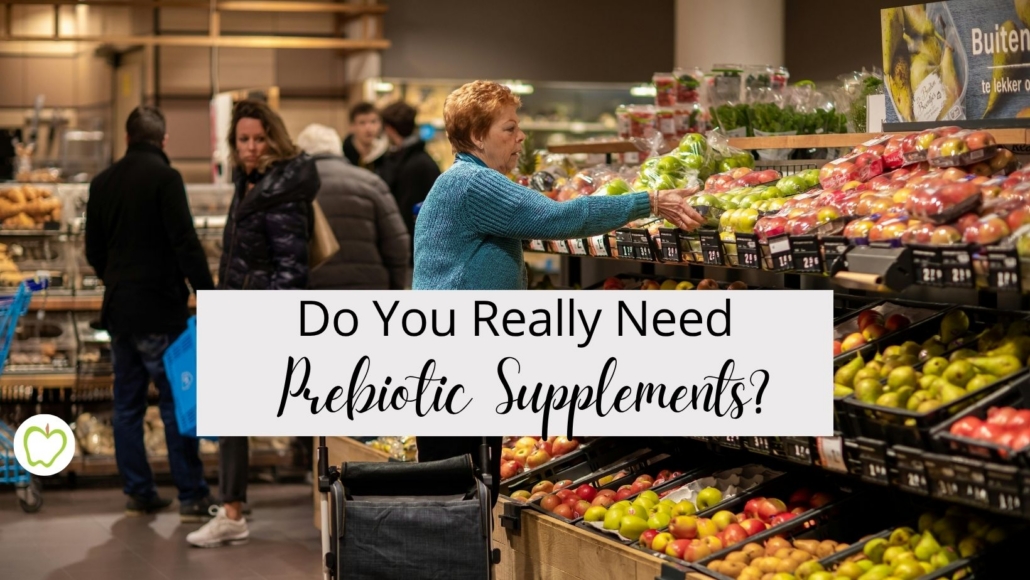
Do You Really Need Prebiotic Supplements?
Prebiotic supplements seem to be having a moment in every wellness shop.
They promise to feed your gut bacteria, improve digestion, and get your whole digestive system back on track. And while there can be a place for supplements, most people would benefit from starting somewhere much simpler—and a whole lot cheaper.
Your gut bacteria need food, too.
Prebiotics are essentially the fibers and plant compounds that nourish the beneficial bacteria already living in your gut. And the good news is that you don’t have to buy them in a bottle. Your grocery store is full of them.
Before you spend money on another supplement, take a look at what you can put on your plate. Here are some of the prebiotic-rich foods worth adding to your meals first.
1. Garlic And Onions Lead The Pack
These humble kitchen staples are some of the richest sources of prebiotic fibers, including compounds that beneficial gut bacteria love to use.
And because garlic and onions already show up in so many recipes, they’re incredibly easy to incorporate. Add them to soups, sauces, roasted vegetables, stir-fries, or just about any savory meal.
You don’t need a complicated gut-health protocol. Garlic and onions have been used in cooking for hundreds of years. They’re inexpensive, versatile, and a delicious way to give your gut bacteria something to work with.
2. Leeks And Asparagus Add More Variety
If you enjoy garlic and onions, their cousins are beneficial, too. Leeks and asparagus provide prebiotic fibers while adding variety to your meals. And that variety matters because different types of plant fibers can support different members of your microbial community.
Leeks become silky and mild when cooked slowly and make a wonderful addition to soups. Asparagus can be roasted in minutes for an easy side dish.
Think less about finding one “perfect” food and more about giving your gut bacteria more variety on the menu.
3. Slightly Green Bananas Are An Easy Win
A banana that is still a little firm and green contains more resistant starch than a fully ripe banana. Resistant starch can make its way to the colon, where gut bacteria can ferment it and put it to use.
And the beauty of this one? No cooking. Just grab a banana, peel it, and eat.
As bananas ripen, some of their resistant starch is converted into more readily digestible sugars. So if you’re specifically looking for resistant starch, choosing a firmer banana can be a simple way to get more.
4. Oats And Barley Nourish You And Your Microbiome
Whole grains such as oats and barley bring prebiotic fibers to the table while also providing a satisfying source of nourishment.
A warm bowl of old-fashioned or steel-cut oats in the morning can be an easy way to start your day with fiber. Barley can be added to soups, stews, and grain dishes for a hearty, satisfying meal.
These are foods that do double duty. They nourish you while also nourishing the community of bacteria living inside you. And oats and barley are about as simple, affordable, and accessible as it gets.
5. Apples, Beans, And Plants Of All Kinds
Apples contain pectin, a type of soluble fiber that can be fermented by gut bacteria. Keeping the skin on adds even more fiber, making an apple an easy, portable snack with plenty to offer your microbiome.
Then there are beans and lentils. They’re fiber powerhouses that also provide plant-based protein, making them an especially satisfying addition to a gut-friendly meal.
There Isn’t One Magical Prebiotic Food
The real magic is in the variety. Different plants provide different types of fibers and plant compounds, which means different bacteria get different foods to thrive on.
So instead of obsessing over whether you’ve eaten the “right” gut-health food today, think bigger. How many different plants can you enjoy over the course of a week?
More colors. More textures. More variety.
That’s a much better goal for your microbiome than finding one perfect food.
Give Your Gut Time To Adjust
If your current diet is relatively low in plant foods, suddenly adding large amounts can leave you feeling uncomfortable.
Gas and bloating can happen as your gut bacteria adjust to having more fermentable food available. So go slowly.
Add one or two foods at a time and increase your portions gradually over several weeks. Give your digestive system a chance to adapt instead of completely overhauling your diet overnight.
And please don’t forget the water. Adequate hydration can help support the normal movement of fiber through your digestive system. That will make the transition more comfortable.
Feed Your Gut With Food
Supporting your microbiome doesn’t have to mean adding another supplement to your cabinet. The best place to start can be much simpler. Choose foods that feed the bacteria you already have.
I’ve provided several options above. Pick one or two to add to your meals. Then keep expanding your variety.
And if your gut isn’t used to much fiber, give it time. Slow and steady usually feels a whole lot better than trying to change everything at once.
Your gut bacteria are living organisms that respond to what you give them. So before you reach for another bottle, add some prebiotic foods to your meals. You will be providing nutrients for your body and food for your microbiome.