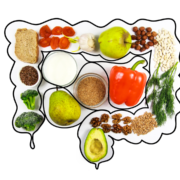

How To Feed Your Inner Universe
Were you a fan of Star Trek back in the day? It incorporated a fascinating collection of aliens, including symbiotic organisms like Trills. If you watched it, did you ever consider that you could have a symbiotic being in your body? Hello microbiome!
The gut microbiome consists of bacteria, fungi, and other microbes that influence far more than digestion alone. Gut microbial health connects to immune function, mood, energy levels, skin health, and metabolic processes throughout the body.
Diversity in the gut supports health, and dietary variety is one of the primary ways to cultivate that diversity. Eating a wide range of plant foods appears to be among the most effective strategies for building a robust and varied microbial community.
Here are eight reasons why increasing plant variety supports a healthier microbiome, along with practical ways to incorporate more diversity into your eating pattern.
1. Different Plants Feed Different Bacterial Species
Each plant type contains unique combinations of fibers, starches, and compounds that serve as food for specific bacterial populations. When you eat the same few vegetables repeatedly, you’re feeding the same bacterial strains while others are struggling.
Rotating through a wider variety of plant foods ensures that more bacterial species receive the nutrients they need to thrive. This contributes to a more diverse and resilient gut ecosystem overall.
2. Fiber Types Vary Significantly Across Plant Foods
Fiber is often discussed as a single category, but plants contain many different types. Each fiber type – cellulose, pectin, inulin, and resistant starch – behaves differently in the gut and gets fermented by different bacterial populations.
Apples contain pectin, while oats contain beta-glucan, and artichokes contain inulin, so eating all three provides your gut bacteria with entirely different substrates to work with compared to eating large amounts of just one fiber source.
3. Polyphenols In Colorful Plants Act As Prebiotics
The compounds that give plants their vibrant colors, called polyphenols, also serve as food for beneficial gut bacteria.
Berries, red cabbage, pomegranates, dark leafy greens, and purple sweet potatoes each have distinct polyphenol profiles that support distinct microbial populations. Eating the colors of the rainbow in vegetables and fruit ensures you provide a range of these beneficial compounds.
4. Research Suggests Aiming For 30 Different Plants Weekly
Studies examining microbiome diversity have found that people who consume 30+ different plant foods per week tend to have more diverse gut microbial communities than those who eat fewer varieties. I know where your thoughts are headed. Take a breath!
Plants include vegetables, fruits, whole grains, legumes, nuts, seeds, herbs, and spices. Reaching 30 becomes more achievable when you count everything.
Sprinkling different seeds on your morning yogurt counts for several types. Also, rotating through various whole grains and changing your vegetable sides contributes to variety.
5. Herbs And Spices Count Toward Plant Diversity
Don’t overlook herbs and spices when thinking about plant intake. These concentrated plant foods contain significant amounts of beneficial compounds.
Fresh or dried basil, cilantro, parsley, mint, rosemary, thyme, turmeric, ginger, cinnamon, and cumin all count as individual plants. Simply varying the herbs and spices you use in cooking can increase your weekly plant count without requiring dramatic changes to your meals.
6. Legumes Offer Exceptional Prebiotic Fiber
Beans, lentils, and chickpeas contain types of fiber and resistant starch that serve as particularly potent fuel for beneficial gut bacteria. They ferment these fibers and produce short-chain fatty acids that nourish the cells lining the colon and support gut barrier integrity.
Including a variety of legumes throughout the week provides different combinations of these beneficial fibers. You also consume plant-based protein in your diet.
7. Seasonal Eating Naturally Increases Variety
Following seasonal availability encourages you to rotate through different produce throughout the year. Modern agricultural practices and transportation have blurred the lines a bit for what is seasonal. It also makes it easier for you to eat a limited selection of produce rather than exploring variety in your diet.
Spring brings asparagus and peas. Summer offers tomatoes and zucchini, and fall provides squash and apples. Winter features root vegetables and citrus. Shopping at farmers’ markets or paying attention to what’s in season naturally guides you toward greater variety without a lot of planning.
8. Small Additions Create Significant Diversity Over Time
Don’t abandon this concept and your microbiome health because it seems hard. Building plant variety works best as a gradual process rather than a big overhaul. You can contribute to increasing diversity by:
- Adding one new vegetable to your weekly shopping,
- Trying a grain you haven’t cooked before, or
- including a different nut or seed in your snacking rotation.
Over several weeks, these small additions accumulate into a more varied eating pattern that supports a healthful, diverse microbial community.
Where To Start?
Tracking what you eat for a week can show you current patterns and reveal opportunities for adding variety. I suggest to my clients that they color the entries in their food log to show what colors they have eaten. It’s a great visual.
You will likely find that you rely on the same handful of plants repeatedly. Your colored log shows you what colors are missing. The biggest variety of color is in produce, where you are looking for red, green, orange, yellow, blue/purple, and white.
As noted above, start with small additions. Perhaps keeping a simple list on your phone or refrigerator will help you track the different plants you consume each week. Then, increasing your variety can become an enjoyable challenge rather than a burdensome task.
I’ve written often about how resilient our bodies are, and your microbiome is also resilient. Each bite you take that introduces different plants into your diet will be a welcome meal for otherwise starving microbes.
Consuming those new fibers and polyphenols will help them produce compounds that, in turn, support the health of your body. What’s the first plant food you plan to add to your diet?