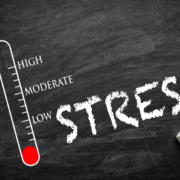

Little Things Have A Big Impact On Stress
Most people think stress comes from the big stuff: deadlines, hard seasons, and heavy conversations. Those certainly matter, but a surprising amount of your daily stress load comes from smaller inputs your body processes throughout the day.
These are easy to overlook because they feel normal, yet they quietly shape how tense, reactive, and depleted you feel by mid-afternoon. Here are eight little things that tend to have a significant impact.
1 – The First Ten Minutes After You Wake Up
Starting the day by jumping straight into your phone to scroll or check your schedule raises your cortisol. Likewise, rushing your start, or mentally triaging problems, pulls your system into a state of urgency before you’ve even moved your body. A softer start can be as simple as standing at a window, breathing deeply, drinking water, or completing one small task with no background noise.
2 – Background Noise You’ve Stopped Noticing
A television on for company, constant podcasts playing, children’s devices, or a running news cycle can keep your attention slightly split all day. Even when you’re not actively listening, your brain is tracking the input. Trying a few intentionally quiet blocks, especially during meals or while cooking, can reduce this constant low-level demand of attention.
3 – Micro-clutter In The Places You See Often
A crowded kitchen counter, an overflowing entryway, or a laundry pile in your line of sight can create a constant sense of unfinished business. One clear surface can quickly change how a room feels and reduces that background mental noise. If scattered toys are a challenge, keeping a large basket nearby to gather them at least once a day will bring inner relief.
4 – Dehydration That Mimics Anxiety
When you are slightly under-hydrated, you’re more likely to notice increased tension, irritability, and snack cravings. This is especially true if your first drink of the day is coffee.
Drinking a glass of water earlier in the day tends to support steadier energy and a calmer baseline. Don’t stop there – keep drinking water throughout the day!
5 – Unstable Blood Sugar That Registers As Overwhelm
A carb-heavy breakfast, a long gap between meals, or grabbing something sweet on an empty stomach can create a drop that feels like stress, brain fog, or impatience. A breakfast anchored with protein plus fiber or fat will stabilize your blood sugar and your energy. Including protein with each meal usually makes your day feel less jagged.
6 – Holding Your Breath Without Realizing It
Many people clench their jaws, lift their shoulders, or breathe shallowly while driving, scrolling, or answering emails. Pause for a minute right now and check in with your body.
Take a slow inhale through your nose, pause, and then exhale twice as slow. If repeating this slow inhale and exhale prompts you to yawn, it’s a sign that you have been breathing shallowly. That stresses your body.
7 – The Way You Transition Between Tasks
Going from work to children to dinner without a pause keeps your body in a continuous state of activity. A two-minute transition helps your body pause. Try washing your hands, changing clothes, stepping outside to breathe, or putting on calming music while you begin the next activity.
8 – Evening Light And Stimulation
Bright overhead lights and fast-paced content at night can keep your brain alert even when your body is tired. Softer lamps, a dimmer screen, and a quieter final hour (skip late-night news?) often support easier sleep onset.
Stress is rarely one single problem. It’s usually a stack of small things that accumulate throughout the day and compound each other’s effects.
When you know how your environment is affecting your body, you can take steps to quiet the stressful messages. Your body will thank you.