
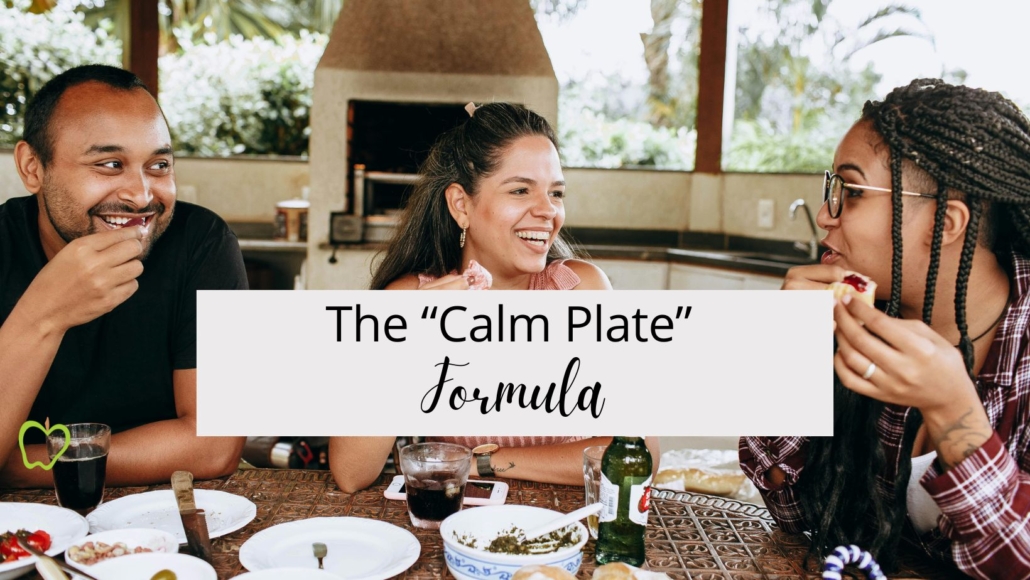
The “Calm Plate” Formula
There’s a kind of fullness that isn’t related to food. It comes from conversations, notifications, emotional labor, and prolonged periods of concentration without rest. It comes from the typical holiday schedule.
When your capacity reaches its limit, you may still feel hungry, but not in a way that invites complexity. You might not know exactly what you want. You just know that the solution needs to be simple.
This is where a Calm Plate can make a difference.
Warmth That Doesn’t Overstimulate
When the body is overstimulated, it can take time to recognize hunger. A warm meal is often easier to digest than a cold one. Soft-cooked rice, roasted squash, or a slice of sourdough toast spread with nut butter can sustain you. These foods are simple and unpretentious, creating space for comfort.
Warmth also offers a sense of comfort that can be grounding for overloaded nerves. It doesn’t have to be complicated — reheated leftover soup or vegetables roasted until tender can all be effective choices. The combination of temperature and texture helps your body recognize the meal without overthinking it.
Protein That Steadies, Not Stimulates
Protein is essential, especially when your body is already working hard to maintain balance. However, not all proteins have the same effect on the body. Heavy foods, such as seared steak or dense legumes, can be overwhelming when you’re feeling overstimulated.
Instead, focus on proteins that are easier to digest and can be easily integrated into your meals. These would be a soft-boiled egg, lentils simmered with herbs, or a few pieces of poached fish that flake easily into rice.
The goal is not just to fuel your body but to provide stability. A small portion of protein that is easily digestible can help maintain steady blood sugar levels and support your nervous system.
Carbs That Offer Consistency
When you’re feeling emotionally or mentally drained, it can be tempting to reach for sugar for a quick energy boost. Indulging occasionally is okay, and holidays offer lots of indulgence. But if you’re seeking something that truly helps you reset, steady carbohydrates can provide more consistent support.
Grains like quinoa and rice can be a solid foundation for your meals. Root vegetables – roasted sweet potatoes, carrots, or parsnips – offer nourishment without being too heavy. Even a slice of lightly toasted bread topped with something soft can sustain you without causing the spike-and-crash cycle caused by flour-based foods.
Fat That Signals Completion
The right amount of fat can help you reconnect with your body. Do you question that? Maybe you’ve heard that fat is bad for you. It’s the right kind of fat that makes the difference.
When your energy feels scattered, or your mind won’t shut down, adding a spoonful of good fat works wonders. Drizzle some olive oil on warm food or spread a bit of avocado to promote a sense of grounding.
Having too much fat when you are already overstimulated can make you feel sluggish. Conversely, if you have too little fat, you may remain in a restless and unsatisfied state. Finding a balance is often enough to signal to your body that it’s time to pause.
Cooked Vegetables That Don’t Overwhelm
Crunchy raw vegetables can be overwhelming when you’re already experiencing sensory overload. The crunching sound as you chew and their sharp flavors can be intense. In contrast, cooked vegetables offer fiber, color, and warmth without overstimulating the palate.
Consider options like roasted zucchini, sautéed greens, or carrots that have been cooked to enhance their natural sweetness. These vegetables contribute to the meal while remaining gentle on the senses.
Keep A Warm Drink Nearby That Doesn’t Stimulate
Coffee may be your go-to drink, but if your body is already overstimulated, reach for something different. A mug of warm fennel tea, hot water with citrus, or even broth infused with herbs can help support hydration. These give your system something to process that won’t push it further into alert mode.
There isn’t a specific formula or rule to follow, and you don’t want to have to think about ratios or combinations. These meals may not win awards for creativity, but they serve a purpose when you’re already feeling at max capacity.
Wherever you find yourself during these holidays, the important thing is to listen to your body. It doesn’t talk with words, but it is communicating with symptoms. It takes some practice to learn to listen and interpret what the message means. If you want some guidance, let’s talk.
Your body doesn’t need complicated or intricate food, it needs the simple foundation of nutrients found in the “Calm Plate” formula.